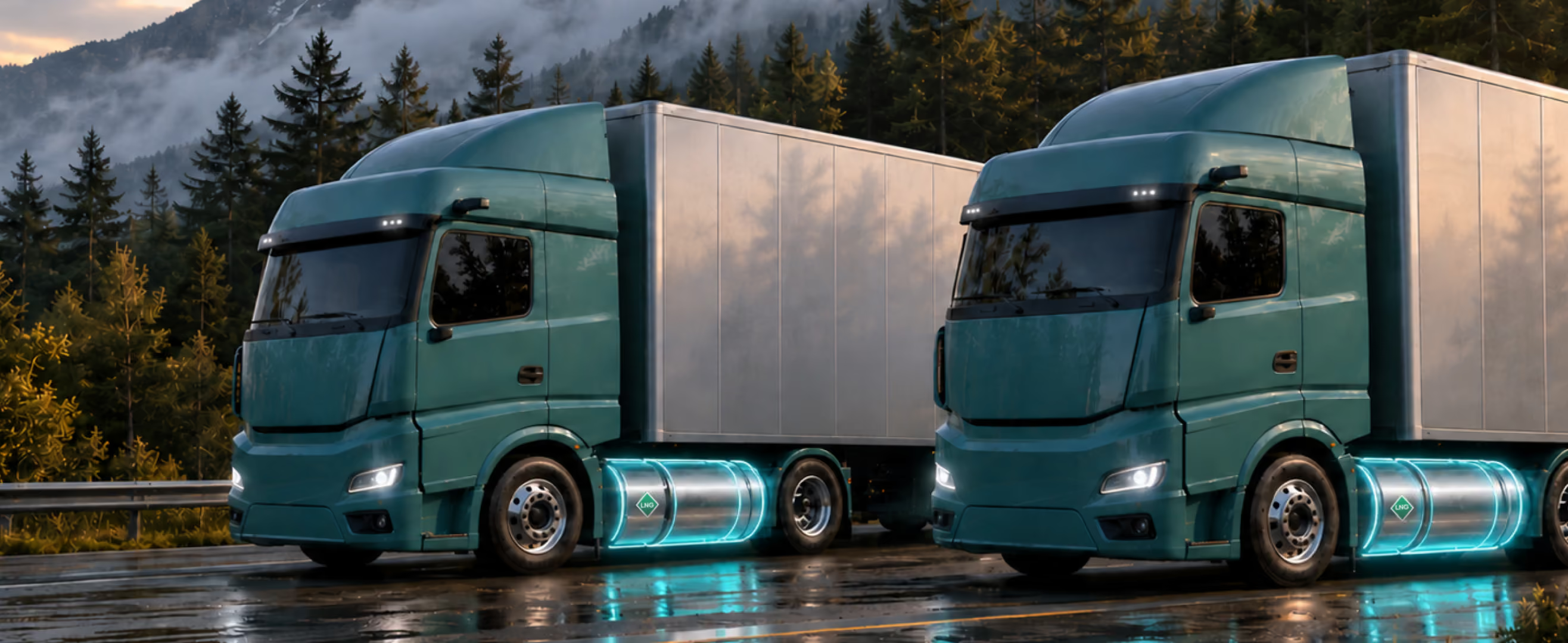
For the most demanding applications, where performance still sets the terms.
OEMs need to decarbonize without narrowing markets, customer choice, or future fuel pathways. HPDI™ extends proven engine capability into LNG/BioLNG today and future fuel-specific programs, increasing the value and commercial reach of existing platforms.
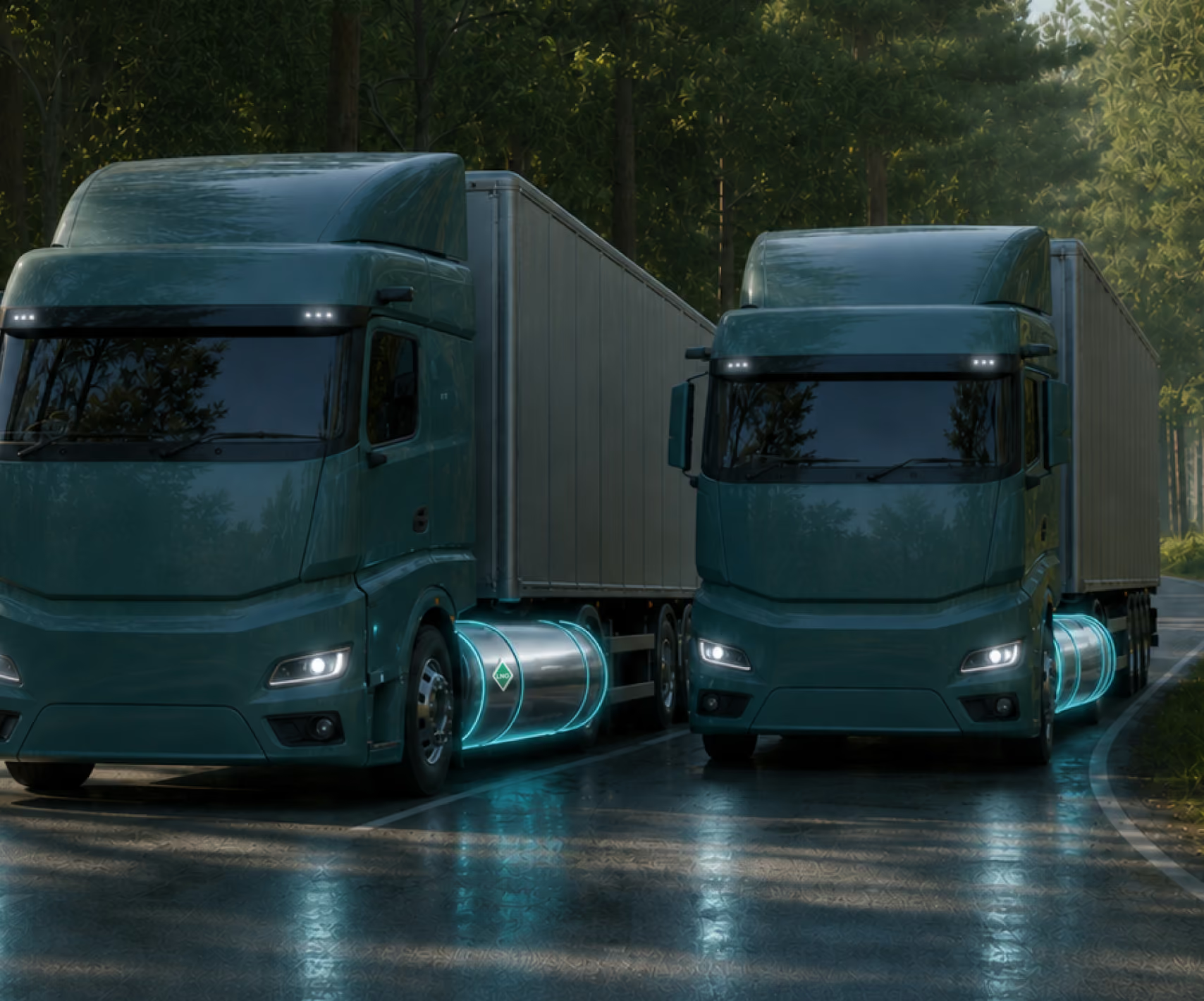
Serve demand that exists now
Give fleets the performance and economics they need while responding to growing demand for lower-carbon transport.
Extend Existing Investment
Reuse relevant engine, controls, manufacturing, and service capability. Engineer what must change without rebuilding everything around it.
Carry Proven Capability Forward
Launch LNG/BioLNG programs today and carry relevant engineering forward into hydrogen and other renewable fuel development.
The questions OEMs ask before committing.
OEMs need confidence in the commercial case, product performance, and engineering scope. HPDI™ addresses each with proven technology, defined integration, and real operating experience.

Yes. HPDI™ is designed to deliver value throughout the vehicle’s working life.
Compression-ignition cycle efficiency supports competitive TCO, while lower fuel costs in many markets and applicable toll or tax benefits can strengthen fleet economics. The advantage grows with mileage and utilization, helping OEMs offer a product fleets can justify commercially while delivering the performance their operations require.
Yes. More than 10,000 trucks. Three billion kilometers. 30+ countries.
HPDI was developed before today’s market conditions were in place. Now, established OEM deployment, a mature supply base, growing fuel availability, and increasing fleet demand provide a stronger foundation for adoption
No. HPDI™ builds on proven diesel cycle architecture.
Every new fuel program requires engineering, validation, and certification. HPDI reduces the scope of reinvention by retaining relevant base-engine architecture, controls philosophy, aftertreatment, manufacturing capability, and service knowledge. Cespira™ works with OEM teams to engineer the changes each platform requires.
The technology works. The investment case does too.
An HPDI™ LNG/BioLNG program builds on proven diesel-engine architecture—without a ground-up truck redesign. It gives OEMs a lower-risk route to commercial return while improving certified vehicle CO2 performance where validated HPDI efficiency delivers an advantage.

Extend platform investment
Extends proven diesel-engine investments across engineering, manufacturing, service, controls, and software—reducing development scope, time, and risk.

Build future optionality
Establish a common engine-platform foundation for LNG/bioLNG, hydrogen, and other renewable-fuel programs as those markets develop.

Strengthen CO₂ position
Benefit from EU compliance flexibility through 2029 by building credits and reducing fleet emissions exposure.

Create commercial return
Add product revenue opportunities and margin from every HPDI powered truck sold.
Three regulations. One strategic platform decision.
Vehicle CO₂ standards shape OEM compliance. Renewable fuel targets shape fleet demand. HPDI™ gives OEMs a practical response to all of them.


BioLNG uses an established LNG network that continues to expand
Europe already has 800+ LNG stations serving main transport corridors. BioLNG uses the same network, enabling OEMs to offer trucks that fleets can operate today, with a clear path to near-zero as BioLNG production scales up.
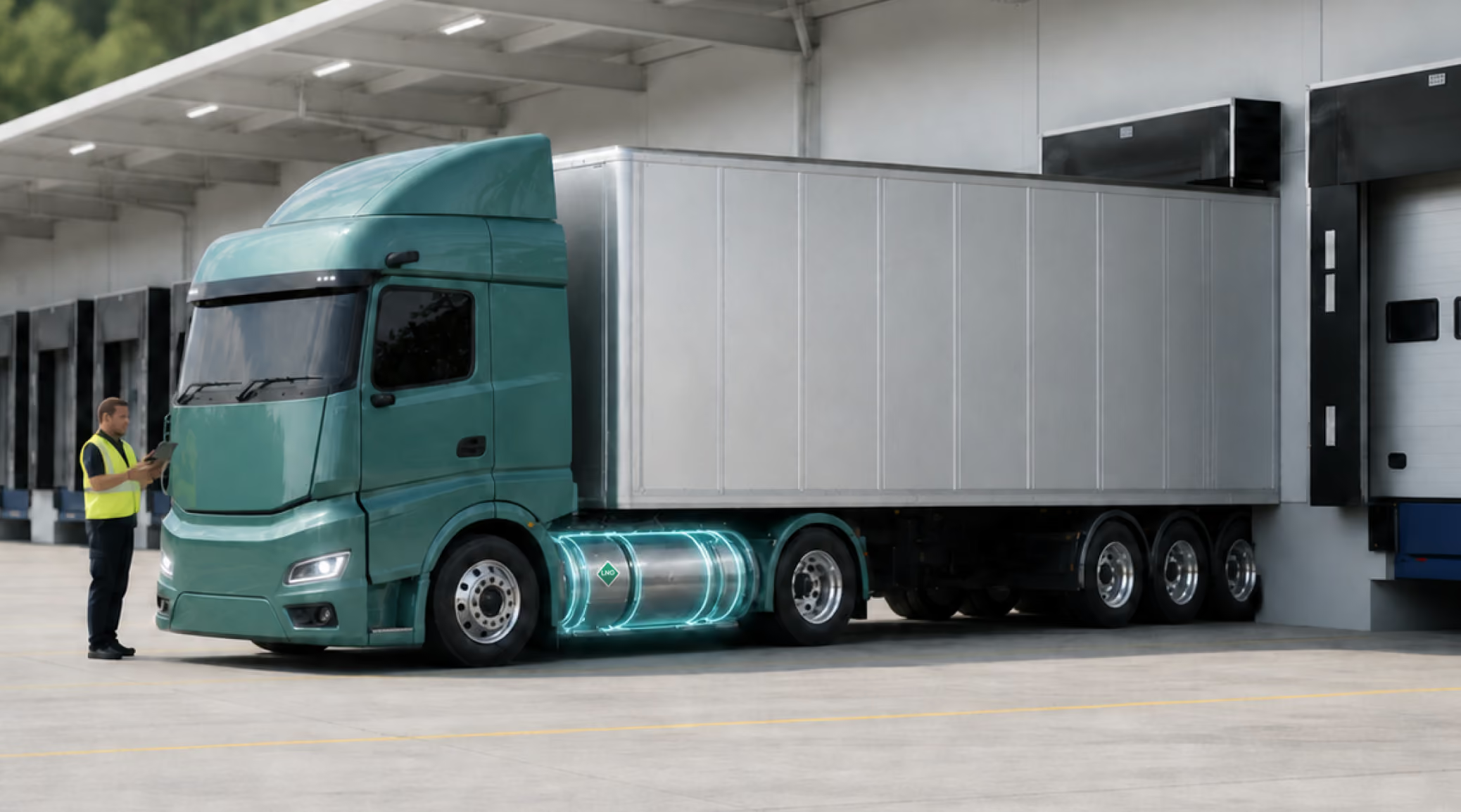
~800+
LNG / bioLNG stations across Europe, and expanding
Same vehicle
LNG / bioLNG, no retrofit
Same station
Existing infrastructure dispenses both
H₂-ready
H₂HPDI™ is already in development, ready ahead of infrastructure
Explore the decision from your side of the business.
The value is shared. The decision isn't. OEMs need integration details. Fleets need operating economics. Policy and ecosystem partners need context.