Decarbonize your fleet keeping diesel performance. And better TCO.
Same performance. Same driver experience. Lower fuel cost than diesel in most markets — and a clear path to compliance across the value chain. HPDI™ powered trucks deliver the power and efficiency demanding operations require, improving TCO and Scope 1 performance for fleets, while enabling shippers to use certified BioLNG freight to reduce Scope 3 emissions from contracted road transport.

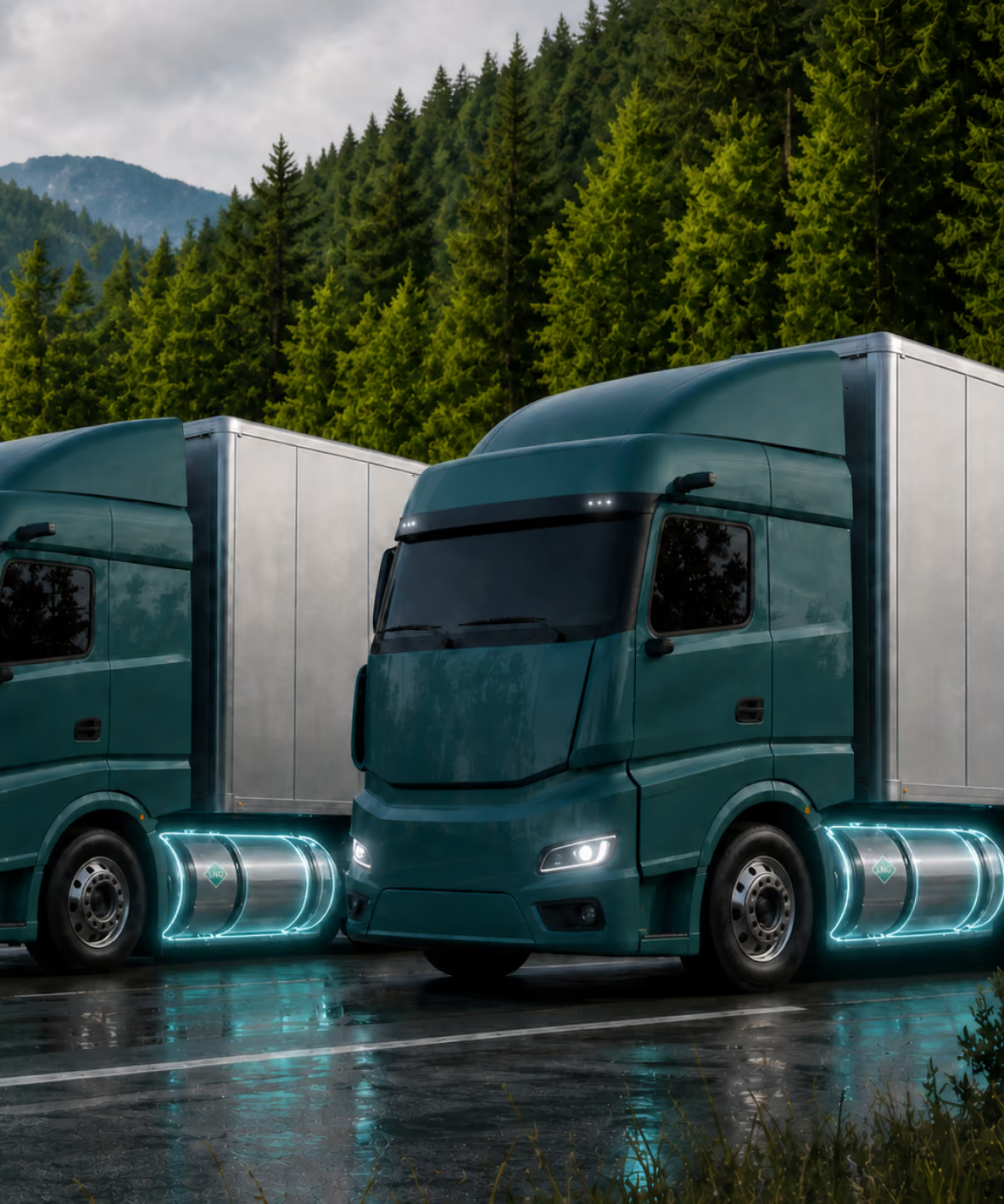
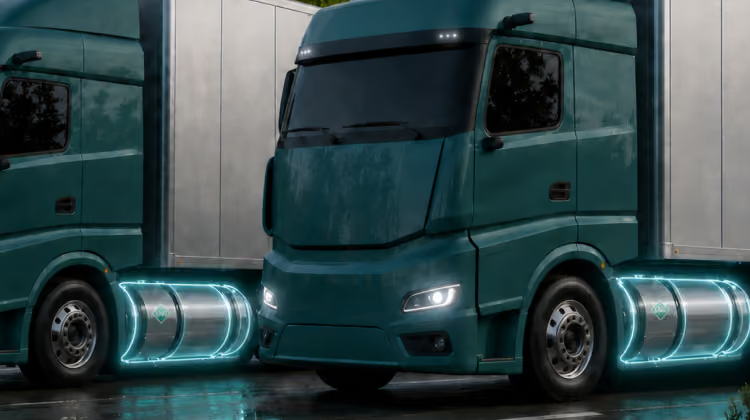
Tighter regulation. Thinner margins. Delaying decarbonization has a cost, but so does choosing the wrong technology. Fleets need lower emissions without giving up performance, uptime, or TCO. Shippers need Scope 3 reductions without adding supply-chain risk. HPDI™ enables action now with LNG/BioLNG, while retaining the range, payload, and productivity demanding freight depends on.
Different routes. Different operating demands.
No single technology fits every freight operation. Demanding heavy-duty requires range, payload, uptime, fast refueling, and competitive TCO. HPDI™ is built around those realities while enabling lower lifecycle emissions with LNG/BioLNG.


Urban & last-mile
Under 250 km · depot return · frequent stops

Short distances and predictable depot routing make battery electric the clear winner. Range and refuelling time don't constrain the duty cycle.
Regional distribution
250–500 km · scheduled routes · moderate payload

Range anxiety, charging downtime and unevenhydrogen infrastructure begin to bite. HPDI deliversdiesel-equivalent operation with immediate CO₂reductions.
Heavy-duty long-haul
1,000+ km · max payload · continuous operation
1,000 km range, 500 hp, 60t payload, 10–20 minrefuel. The only alternative powertrain delivering diesel parity for the world's hardest haul.
Decarbonize keeping the performance diesel set. Switch to HPDI™.
HPDI is integrated into new trucks by OEMs — not a retrofit. Here's the path forward.
Assess the change
Prioritize high-mileage routes where fuel efficiency, payload and utilization matter. Truck investment is recovered fast through sustained cost-per-kilometer savings.
Test your TCO
Challenge your TCO. Compare vehicle investment, fuel consumption, local fuel prices, annual mileage, maintenance and applicable incentives.
Get the facts, try the truck
Ask your OEMs or dealers about available HPDI powered models. Shippers should ask carriers to include HPDI trucks and certified BioLNG in their proposals.
Prove and scale
Start on routes with reliable fuel access and measurable economics. Track cost per kilometer, fuel use, uptime, utilization and emissions before expanding.
The role of Cespira™
Cespira supplies and integrates HPDI to OEMs new powertrains. Availability, pricing, service and truck delivery remain with the OEM and dealer network.
Performance and TCO for fleets. Emissions progress for shippers.
Freight customers are tightening emissions requirements across their supply chains. Fleets need to respond without sacrificing TCO, uptime, or productivity. HPDI™ connects both priorities, combining demanding-duty performance with a practical route to lower-carbon freight.
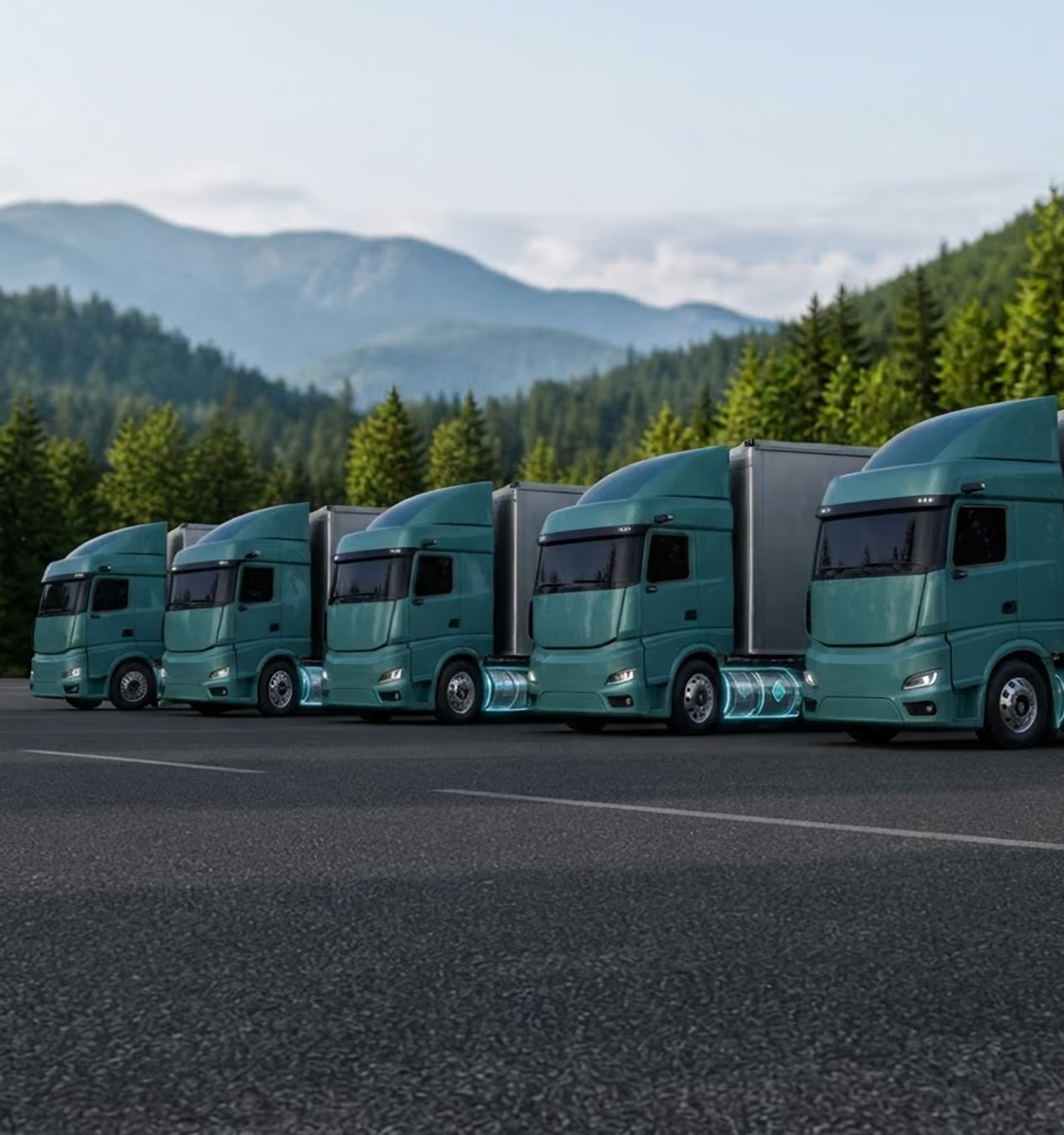
Emissions from owned and operated trucks
HPDI™ enables fleets to move from diesel to LNG/BioLNG while retaining the range, uptime, and performance their demanding operations require. Competitive fuel economics also strengthen TCO.
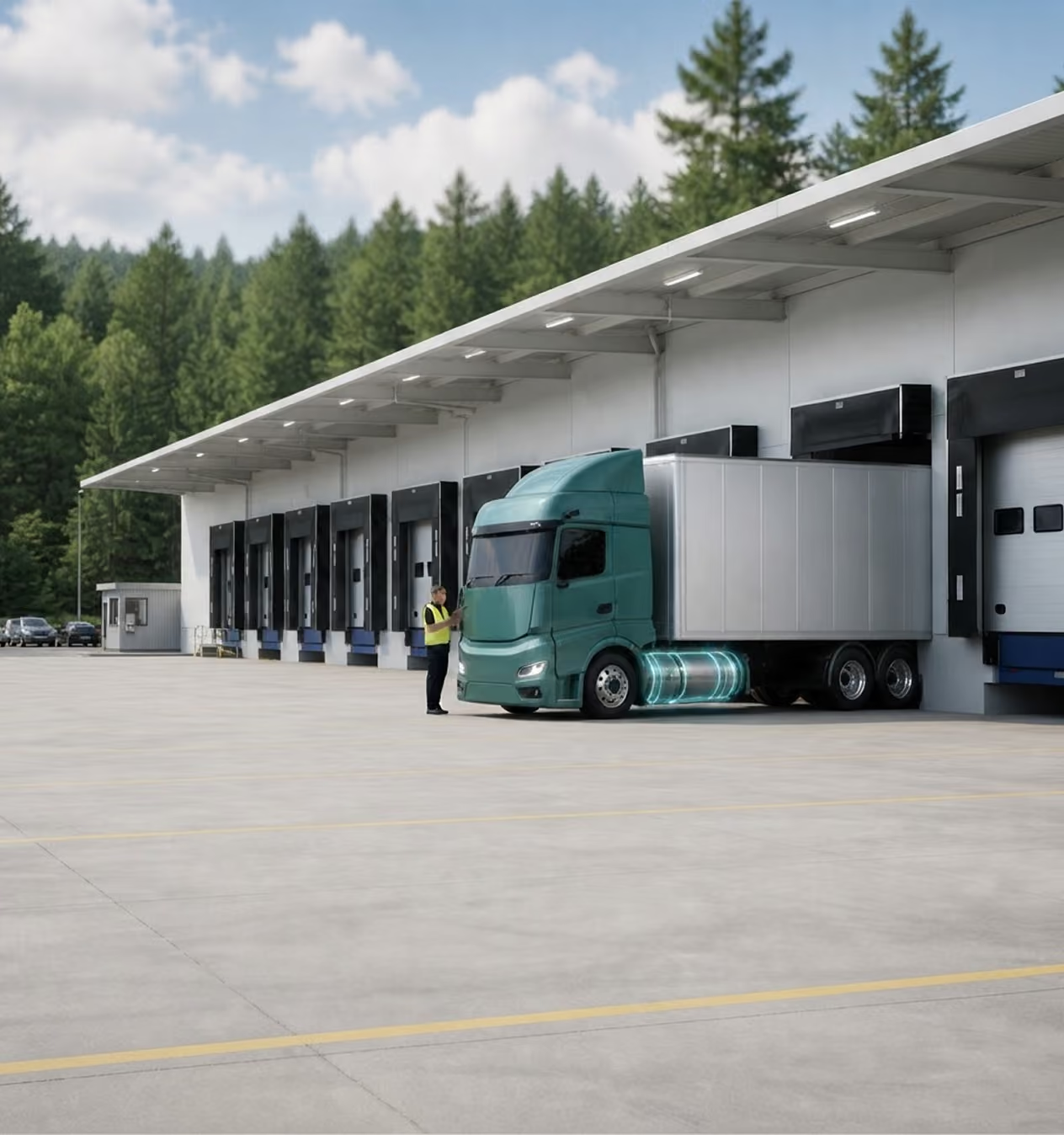
Emissions from contracted freight
Contracted road transport emissions fall under Scope 3. With verified BioLNG, HPDI™ gives shippers a practical way to reduce lifecycle emissions, supported by fuel provenance and credible emissions reporting.
The LNG/BioLNG network is already working at scale.
Lower operating costs than diesel in many markets. LNG refueling is established along major freight corridors, with BioLNG available through the same network. Market-specific toll and tax incentives strengthen the economics. For fleets and shippers, verified BioLNG supports Scope 1 and Scope 3 emissions reduction—while HPDI™ also retains the range, uptime, and performance expected from diesel.